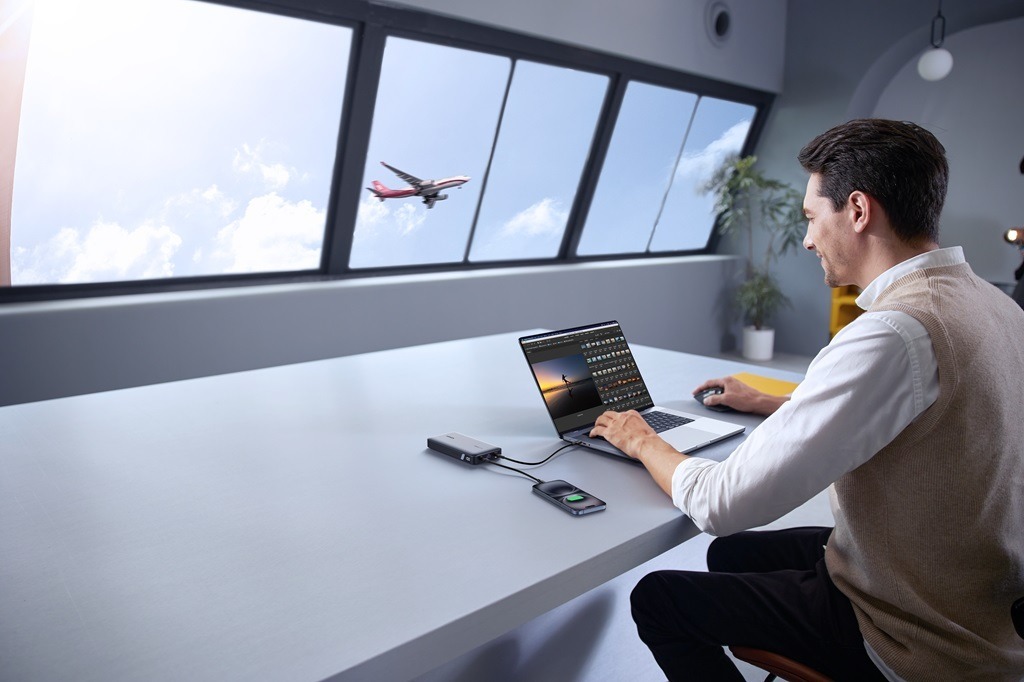
Why Portable Power Banks Are Replacing Laptop Bricks on Short Trips
The landscape of business travel is shifting rapidly. You likely no longer need to hunt desperately for wall outlets during short layovers or coffee breaks. High-capacity portable power banks have evolved enough to effectively replace heavy, proprietary laptop bricks for the duration of a flight or a day trip.
This evolution is redefining the essential travel toolkit. Professionals can now rely on stored energy rather than tethering themselves to the grid. This freedom allows for a more fluid, mobile workflow without the anxiety of a dying battery.
The Shift in Battery Output
Portable power banks have transitioned from simple emergency smartphone accessories into critical mobile infrastructure. They now bridge the gap between reliable grid power and remote productivity. For many short trips, these robust batteries provide total independence from wall sockets.
High-Wattage Delivery
Previously, external batteries could barely recharge a phone. Today, advanced units often deliver 100W or even 145W via USB-C. This output is sufficient to power demanding laptops directly. Users can maintain peak performance levels while working from a plane seat or a park bench.
Bidirectional Speed
Modern batteries utilize bidirectional charging technology. The device recharges rapidly using the same high-speed port it uses to output energy. This feature reduces downtime significantly, ensuring the battery is ready to go again after a short stop at a hotel.
Universal Charging Protocols
A versatile phone charger using Power Delivery (PD) protocols is now the only wall adapter most travelers need. The era of carrying separate, bulky bricks for a laptop, tablet, and phone is largely over thanks to unified standards.
The GaN Advantage
Gallium Nitride (GaN) technology allows manufacturers to shrink the internal components of a charger. This results in a dense, compact unit that produces less heat than silicon predecessors. Travelers save significant volume in their carry-on bags without sacrificing charging speed.
Intelligent Handshakes
Quality chargers communicate with the connected device to determine the precise voltage required. If you plug in a laptop, the charger ramps up power; if you connect earbuds, it scales down. This intelligent negotiation ensures safety and efficiency for every gadget in your bag.
Optimizing for Cable-Free Travel
Identifying the best wireless charger is the final step in reducing cable clutter for a streamlined kit. While wired connections are faster, the convenience of magnetic wireless systems is unmatched for overnight refueling.
Magnetic Efficiency
Top-tier wireless options use strong magnets to align internal coils perfectly with the phone. This alignment reduces heat generation and energy loss, which is critical for battery health. It ensures that the device actually charges rather than just getting warm.
Multi-Device Stations
Foldable 2-in-1 or 3-in-1 stations are often the superior choice for frequent flyers. These units charge a phone, watch, and earbuds simultaneously on a single stand. This consolidation eliminates the need to pack multiple distinct cables for accessories.
Navigating Airline Regulations
Travelers cannot bring unlimited lithium energy on a commercial flight. The Federal Aviation Administration (FAA) and international bodies generally enforce strict limits on loose batteries to ensure safety.
Understanding Wh Limits
Most aviation authorities cap loose lithium batteries at 100 watt-hours (Wh).
- Check the Label: Ensure the Wh rating is clearly printed on the casing of your battery.
- Carry-On Only: Lithium batteries must go in the cabin, never in checked luggage.
Security Screening
Security agents frequently verify capacity ratings during screening. Batteries without clear, legible labels may be subject to confiscation. keeping your high-capacity gear accessible helps speed up the security process and prevents delays.
Conclusion
Replacing proprietary power bricks with versatile energy solutions creates a leaner, more efficient bag. A universal wall adapter and a high-capacity battery offer reliability without the bulk. Combined with wireless options, this modular approach ensures you stay powered across any journey without weighing you down.
Disclaimer
The information provided in this article is for general informational purposes only and is not intended as professional advice. While portable power banks can be a convenient alternative to laptop bricks for short trips, individual results may vary depending on device specifications, battery capacity, and airline regulations. Travelers are responsible for ensuring that any batteries, chargers, or electronic devices comply with all applicable safety guidelines and airline policies. The author and publisher are not liable for any damage, loss, or inconvenience caused by the use of portable power banks or other charging devices mentioned in this article. Always follow manufacturer instructions and official regulatory guidance when transporting and using lithium-ion batteries.