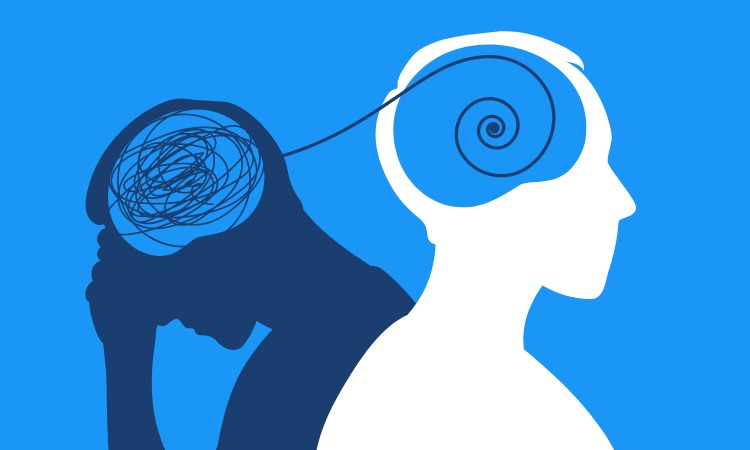
What Makes tDCS a Promising Therapy for Mental Health
Understanding Transcranial Direct Current Stimulation
What tDCS Involves
Transcranial Direct Current Stimulation (tDCS) is a non-invasive neuromodulation technique used to influence brain activity. The therapy involves applying a low-intensity electrical current through electrodes placed on the scalp. These currents are designed to modulate the activity of neurons in targeted brain regions, which can affect mood, cognition, and behaviour.
Unlike more invasive treatments, tDCS does not require surgery or medication. Sessions are typically brief, lasting around 20 to 30 minutes, and can be conducted in a clinical setting or, under guidance, at home with specialised equipment. Because the stimulation is low in intensity, most patients report only mild sensations such as tingling or warmth on the scalp during the session.
How tDCS Works
The principle behind tDCS is neuromodulation. By applying a small direct current, the therapy can increase or decrease the likelihood that neurons will fire. For example, placing the anodal electrode over a specific brain area can make neurons more likely to become active, while the cathodal electrode can reduce neuronal activity.
This modulation can affect brain networks involved in mood regulation, attention, and executive function. It is thought to help restore balance in neural circuits that may be disrupted in mental health conditions, potentially improving symptoms without the side effects associated with medications.
tDCS in Mental Health Care

Applications in Psychiatry Services in Australia
In Australia, psychiatry services are increasingly exploring tDCS as a complementary therapy for conditions such as depression, anxiety, and post-traumatic stress disorder (PTSD). Research indicates that when applied alongside traditional treatments, tDCS may enhance symptom reduction and improve cognitive function.
For patients with major depressive disorder, for example, tDCS can target the dorsolateral prefrontal cortex, a region associated with mood regulation. By modulating activity in this area, the therapy can help alleviate depressive symptoms and support conventional approaches like psychotherapy or medication.
Advantages Over Conventional Treatments
One of the main advantages of tDCS is its non-invasive nature. Unlike electroconvulsive therapy (ECT), which requires anaesthesia and can have significant side effects, tDCS is generally safe and well-tolerated. It also provides a level of precision in targeting specific brain regions, allowing clinicians to tailor the treatment to individual needs.
Additionally, tDCS can be combined with other therapies to potentially enhance overall effectiveness. For example, pairing tDCS with cognitive behavioural therapy (CBT) may improve cognitive flexibility and support behavioural changes. This integrative approach allows for more personalised care in psychiatry services in Australia.
Evidence Supporting tDCS
Research and Clinical Findings
Multiple studies have examined the effects of tDCS on mental health conditions. Clinical trials suggest that repeated sessions can lead to measurable improvements in mood, attention, and cognitive function, particularly in patients who have not responded fully to medication alone.
For instance, patients with treatment-resistant depression have shown reductions in symptom severity after a series of tDCS sessions. Similarly, research indicates potential benefits for anxiety disorders, where tDCS may help regulate overactive neural circuits involved in stress responses.
Safety and Side Effects
tDCS is generally considered safe when administered under professional supervision. Common side effects are mild and transient, including scalp irritation, tingling, or minor headaches. Serious adverse events are rare, making tDCS a viable option for patients seeking alternatives to pharmacological treatments.
Because of its safety profile, tDCS is being increasingly integrated into outpatient psychiatric care, allowing patients to benefit from neuromodulation without major disruption to daily life.
Integrating tDCS with Psychiatry Services in Australia
Tailored Treatment Plans
Psychiatry services in Australia are adopting a patient-centred approach to tDCS. Each treatment plan is tailored based on the individual’s diagnosis, symptom severity, and treatment history. Clinicians assess the patient’s suitability, determine the optimal electrode placement, and set the appropriate current intensity to maximise therapeutic benefits.
Complementary Approach
tDCS is not typically used as a standalone therapy. Instead, it complements existing treatments such as psychotherapy, lifestyle interventions, and medications. This combination allows for a more holistic approach, addressing both the neurological and psychological aspects of mental health conditions.
Accessibility and Implementation
As awareness of tDCS grows, more psychiatry services in Australia are making the therapy accessible to patients. Clinics provide supervised sessions in controlled environments, ensuring safety and effectiveness. Some services also offer guidance for home use under professional oversight, increasing convenience and adherence to treatment schedules.
Potential Benefits of tDCS
Improved Symptom Management
tDCS can offer noticeable improvements in symptoms for many patients. By modulating neural activity in targeted brain regions, it can help reduce mood disturbances, enhance cognitive function, and support emotional regulation.
Reduced Dependency on Medication
For some patients, tDCS provides a non-pharmacological option that can reduce reliance on medications. This is particularly valuable for individuals who experience adverse side effects or have limited response to conventional treatments.
Enhancing Long-Term Mental Health Outcomes
When used consistently and in combination with other interventions, tDCS may contribute to longer-lasting improvements in mental health. It can strengthen neural pathways that support mood stability, resilience, and cognitive performance, which can positively influence overall quality of life.
Conclusion

Transcranial Direct Current Stimulation (tDCS) represents a promising addition to mental health care in Australia. Its non-invasive nature, targeted neuromodulation, and compatibility with existing treatments make it an attractive option for patients and clinicians alike. By supporting symptom reduction, enhancing cognitive function, and providing a safer alternative to some conventional therapies, tDCS is increasingly becoming a valuable tool in psychiatry services in Australia.
Patients interested in exploring tDCS should consult with a qualified mental health professional to determine its suitability and develop a personalised treatment plan. With proper guidance, tDCS can complement traditional approaches and contribute to improved mental health outcomes.