From Thread to Elegance: Inside a Lace Fabric Factory and Understanding What Lace Really Is
Lace has long been associated with elegance, delicacy, and craftsmanship. From bridal gowns to luxury curtains, this intricate textile holds a special place in fashion and interior design. But many people admire lace without truly knowing what is lace or how it is made. Behind every delicate pattern lies skilled artistry and advanced production methods, often centered in a specialized lace fabric factory.
What Is Lace?
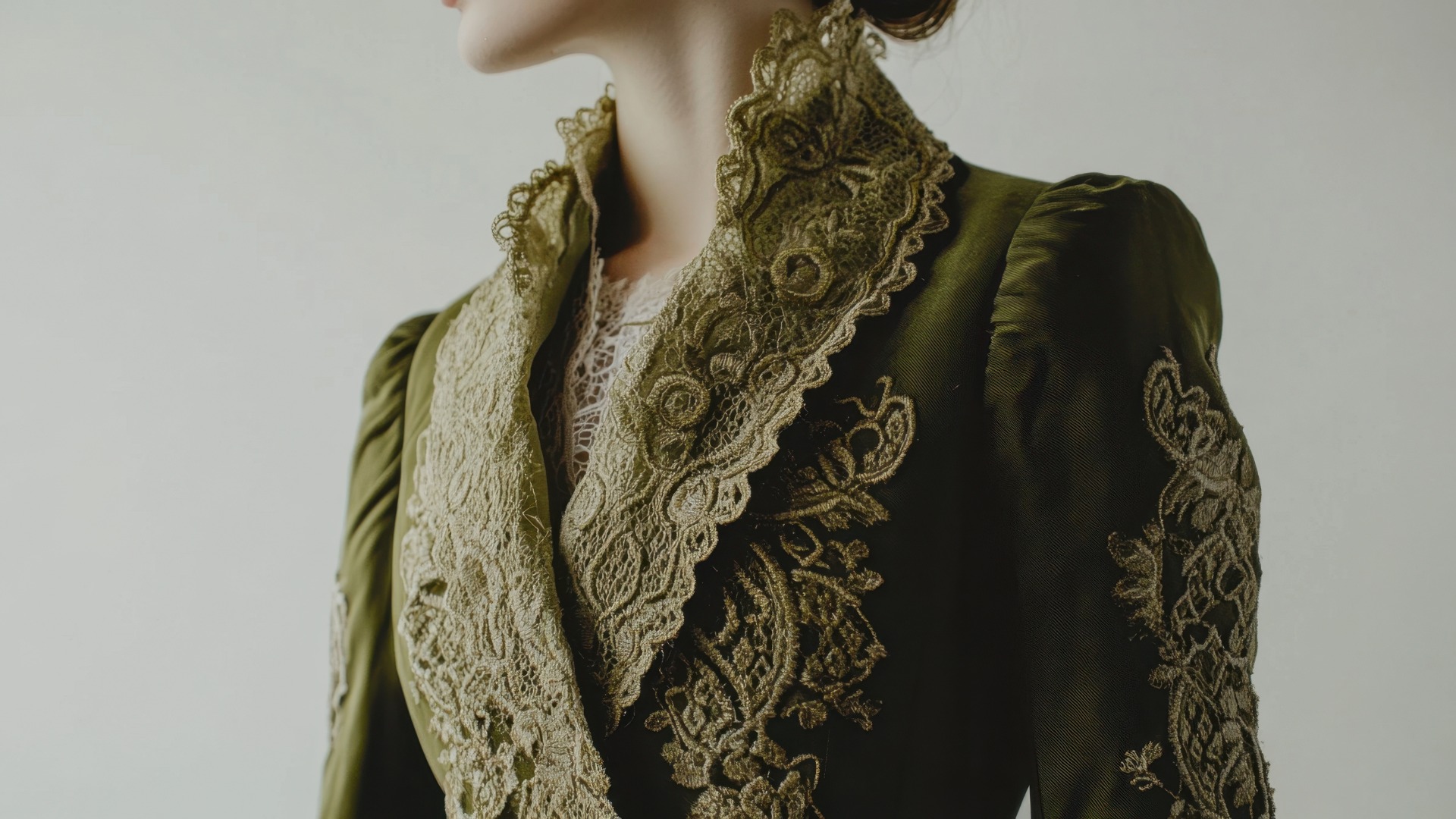
At its core, the answer to what is lace lies in its structure. Lace is a decorative fabric made of yarn or thread that is arranged in open, web-like patterns. Unlike woven or knitted fabrics that have a tight, solid surface, lace is defined by:
- Open spaces within the design
- Decorative motifs such as flowers, leaves, or geometric shapes
- A balance between thread and empty space
Traditionally, lace was handmade using techniques like needle lace or bobbin lace. These methods required immense patience and skill, often taking weeks to produce small sections. Today, while handmade lace still exists in luxury markets, most lace is produced using machines in a modern lace fabric factory.
A Brief History of Lace
Lace dates back to the late 15th and early 16th centuries in Europe. It quickly became a symbol of status and wealth. Royals and nobles wore lace on collars, cuffs, and dresses as a sign of refinement.
Before industrialization, lace production was entirely manual. Skilled artisans passed techniques down through generations. With the invention of lace-making machines during the Industrial Revolution, production increased dramatically, allowing lace to become more accessible.
The shift from handcraft to factory production marked the rise of the lace fabric factory as a key part of the textile industry.
How a Lace Fabric Factory Works
Modern lace production combines tradition with technology. A lace fabric factory is not just a place with machines—it is a specialized facility focused on precision design and textile engineering.
1. Design Creation
Every lace pattern begins as a design. Designers create digital or hand-drawn patterns featuring floral, abstract, or ornamental elements. These designs determine:
- Thread placement
- Pattern repetition
- Fabric density
The design phase is crucial because lace is as much about visual appeal as function.
2. Yarn Selection
Different types of yarn produce different textures and appearances. A lace fabric factory may use:
- Cotton for softness and breathability
- Polyester for durability and affordability
- Nylon for strength and stretch
- Silk for luxury lace
The yarn choice affects weight, shine, and how the lace drapes when used in garments.
3. Machine Production
Specialized lace-making machines, such as Raschel or Leavers machines, create complex patterns by looping and twisting threads in controlled sequences. These machines can mimic traditional hand techniques while producing large volumes.
Despite automation, skilled technicians are essential. They monitor thread tension, machine speed, and pattern alignment to ensure consistency.
4. Dyeing and Finishing
Once produced, lace fabric goes through finishing processes, including:
- Dyeing in various colors
- Washing and softening
- Heat-setting for shape stability
- Quality inspection
This stage ensures the lace meets standards for fashion, upholstery, or decorative use.
Different Types of Lace
Understanding what is lace also means recognizing its variety. Not all lace looks or feels the same.
Chantilly Lace
Lightweight and delicate with detailed floral patterns, often used in bridal wear.
Guipure Lace
Heavier lace without a net background, where motifs are connected by bars or plaits.
Embroidered Lace
Fabric with embroidered patterns that create a lace-like appearance.
Knitted Lace
Made on knitting machines, offering stretch and flexibility for modern clothing.
A lace fabric factory may specialize in one type or produce a wide range depending on market demand.
Where Lace Is Used Today
Lace is incredibly versatile. Its uses go far beyond traditional dresses.
Fashion
- Wedding gowns and veils
- Evening wear
- Lingerie
- Blouses and skirts
Home Decor
- Curtains
- Tablecloths
- Cushion covers
Accessories
- Gloves
- Scarves
- Decorative trims
The adaptability of lace keeps demand strong, ensuring that the lace fabric factory remains a vital part of the textile supply chain.
Why Lace Remains Popular
Even in an era of synthetic fabrics and fast fashion, lace holds timeless appeal. Part of understanding what is lace involves recognizing its emotional and visual value. Lace symbolizes:
- Romance
- Sophistication
- Craftsmanship
- Feminine elegance (though modern designs are used in all styles)
Advances in technology allow factories to produce lace that is more durable, stretchable, and affordable than ever before, widening its use in everyday fashion.
Handmade vs. Factory-Made Lace
While handmade lace is prized for its artistry, it is expensive and time-consuming to produce. A lace fabric factory bridges the gap between tradition and mass production, making beautiful lace accessible to global markets.
Factory-made lace offers:
- Consistent quality
- Lower cost
- Large-scale production
- Design precision
Both forms have value, but factories are essential for meeting modern demand.
Final Thoughts
Lace is more than just a decorative fabric. When asking what is lace, the answer includes history, artistry, engineering, and design. From royal garments of the past to modern fashion collections, lace continues to evolve.
Behind this delicate textile stands the complex operation of a lace fabric factory, where technology and creativity combine to turn thread into intricate works of art. Understanding the process deepens appreciation for a fabric that has remained stylish and meaningful for centuries.