Diamond Cuts Explained: How Shape and Precision Influence Beauty and Value
A diamond’s beauty is often described in a single word—sparkle—but that visual effect is the result of careful craftsmanship and precise geometry. Among all the factors that determine a diamond’s appearance, cut stands apart as the most influential. It governs how light travels within the stone, shaping the brilliance, fire, and overall life a diamond displays when worn.
For buyers, understanding diamond cut goes beyond selecting a shape. It involves recognizing how proportions, symmetry, and finishing details affect both visual performance and long-term value. Whether choosing an engagement ring or an heirloom-quality piece, a deeper understanding of cut allows for a more intentional and satisfying decision.
The Difference Between Cut and Shape
It is common to hear the terms “cut” and “shape” used interchangeably, yet they refer to different aspects of a diamond. Shape describes the outline of the stone—round, oval, cushion, emerald—while cut refers to how well the diamond’s facets are arranged and finished. A round diamond, for example, can have an excellent cut or a poor one, regardless of its shape.
The distinction matters because cut quality directly affects how light interacts with the diamond. A well-cut stone reflects light internally and returns it through the top, creating brilliance. Poorly executed cuts allow light to escape, resulting in a dull or lifeless appearance.
Why Round Brilliant Sets the Standard
The round brilliant cut is often used as the benchmark for light performance. With 57 or 58 facets arranged to maximize reflection, it consistently delivers high levels of brilliance and fire. This precision is why grading systems for cut quality are most developed for round diamonds, offering buyers clearer guidance when comparing stones.
Proportions and Light Performance
A diamond’s proportions determine how effectively it handles light. Key measurements such as table size, depth percentage, and crown angle influence how light enters and exits the stone. Even slight variations can significantly alter the diamond’s visual impact.
When proportions are balanced, light is reflected internally and dispersed into a spectrum of colors. This creates the lively sparkle associated with high-quality diamonds. If proportions are too shallow or too deep, light leaks from the sides or bottom, diminishing brilliance.
Symmetry and Polish
Beyond proportions, symmetry and polish contribute to a diamond’s finish. Symmetry ensures that facets align correctly, allowing light to move evenly throughout the stone. Polish refers to the smoothness of the facet surfaces, which affects how cleanly light is reflected. Together, these elements refine the diamond’s overall appearance.
How Different Cuts Affect Style and Perception
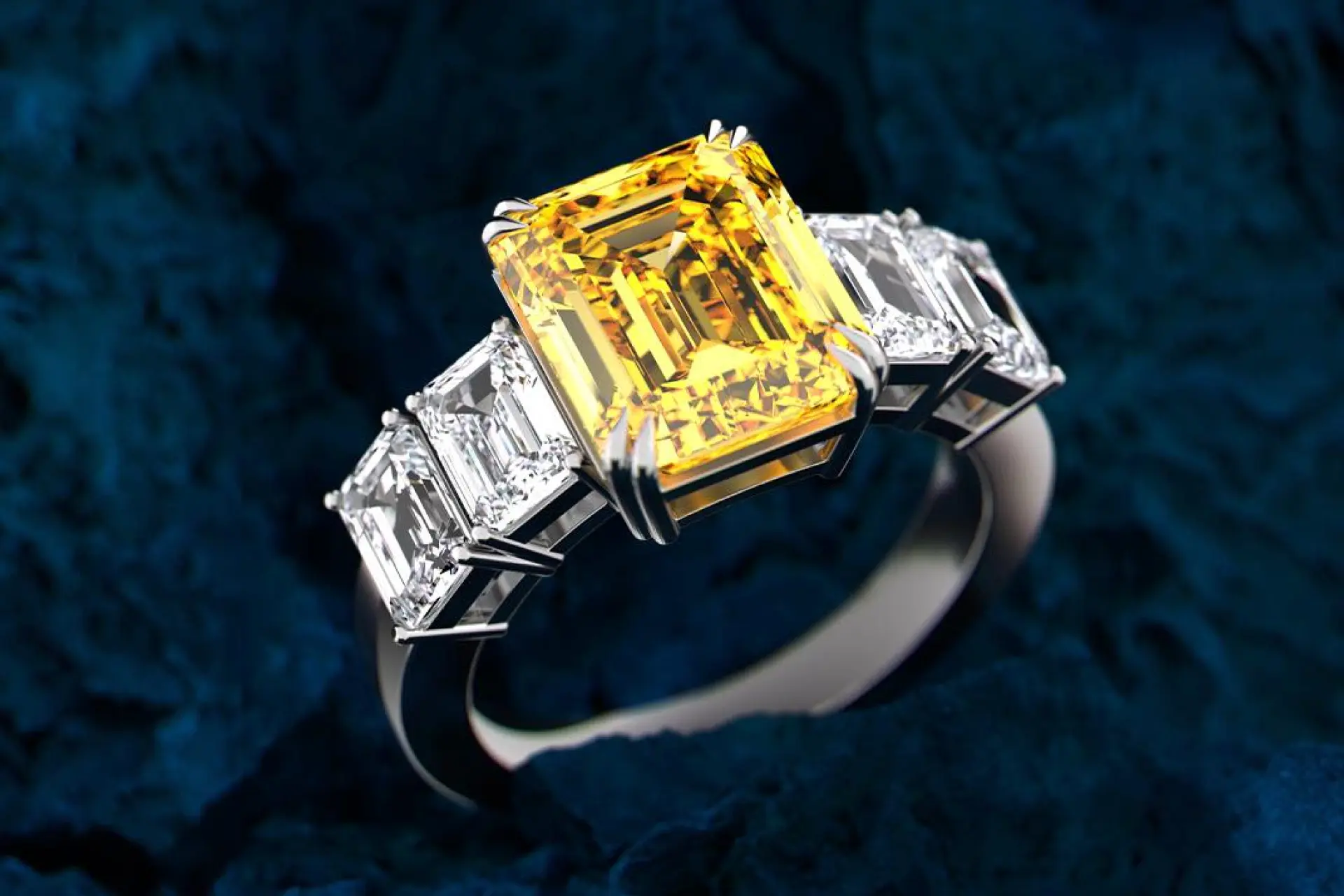
Each diamond shape interacts with light differently, creating distinct visual effects. Round diamonds emphasize brilliance, while emerald cuts highlight clarity through long, step-like facets. Cushion and oval shapes offer a softer appearance, blending brilliance with a romantic aesthetic.
The choice of cut also influences how large a diamond appears. Elongated shapes such as oval and marquise can create the illusion of greater size, while deeper cuts may concentrate weight in a way that makes the diamond appear smaller from above.
For a broader perspective on how modern buyers approach these choices, this guide to shopping for diamond jewelry explores how style preferences and practicality intersect in contemporary jewelry design.
Cut Quality and Diamond Value
Cut quality plays a central role in determining a diamond’s value. While carat weight and clarity often receive attention, a poorly cut diamond will never achieve the same visual appeal as a well-cut stone of similar specifications. This is why professionals frequently advise prioritizing cut when allocating budget.
A diamond with excellent cut proportions can appear more vibrant and even larger than a heavier stone with inferior cut quality. This relationship between cut and perceived size makes it a critical consideration for buyers seeking both beauty and value.
The Role of Craftsmanship in Fine Jewelry
Cut quality does not exist in isolation; it is closely tied to craftsmanship. The precision required to achieve ideal proportions reflects the skill of the cutter and the standards of the jeweler presenting the stone. High-level craftsmanship ensures that each facet contributes to the diamond’s overall performance.
Specialists in fine jewelry, such as those at Leon Diamond Jewelry, often emphasize the importance of selecting diamonds that meet strict cut standards. Their approach typically involves evaluating not only certification but also how the diamond performs visually under different lighting conditions.
Setting as a Complement to Cut
The setting can enhance or diminish the effect of a well-cut diamond. Open settings allow more light to enter the stone, amplifying brilliance, while certain designs may limit light exposure. Choosing a setting that complements the diamond’s cut ensures that its full potential is visible.
Modern Influences on Jewelry Choices
Consumer preferences continue to evolve, influenced by both tradition and innovation. While diamonds remain a central focus in fine jewelry, emerging trends in wearable technology and alternative accessories are shaping how people think about personal adornment. This shift is evident in discussions such as the growing interest in smart rings, which highlight how functionality and style are increasingly intertwined.
Despite these changes, the enduring appeal of diamonds lies in their ability to combine technical excellence with emotional significance. A well-cut diamond remains a symbol of craftsmanship and intention, qualities that transcend shifting trends.
Choosing the Right Cut for Your Needs
Selecting a diamond cut involves balancing personal taste with practical considerations. Some buyers are drawn to the brilliance of round diamonds, while others prefer the elegance of step cuts or the uniqueness of fancy shapes. Understanding how each cut interacts with light helps narrow these choices.
Equally important is considering how the diamond will be worn. An engagement ring may prioritize durability and timeless appeal, while a statement piece might emphasize individuality. Aligning the cut with the intended purpose ensures that the diamond feels appropriate for its role.
A Deeper Appreciation for Diamond Craft
Recognizing the role of cut transforms the way a diamond is perceived. What might initially appear as simple sparkle becomes a result of precise angles, careful planning, and skilled execution. This understanding adds depth to the buying process, allowing buyers to see beyond surface beauty.
When a diamond’s cut is chosen with care, it enhances not only the stone itself but also the experience of wearing it. The interplay of light, design, and craftsmanship creates a piece that feels intentional and enduring, reflecting both the expertise behind its creation and the meaning it carries for its owner.