AI Image to Video for Digital Artists Pushing Creative Boundaries
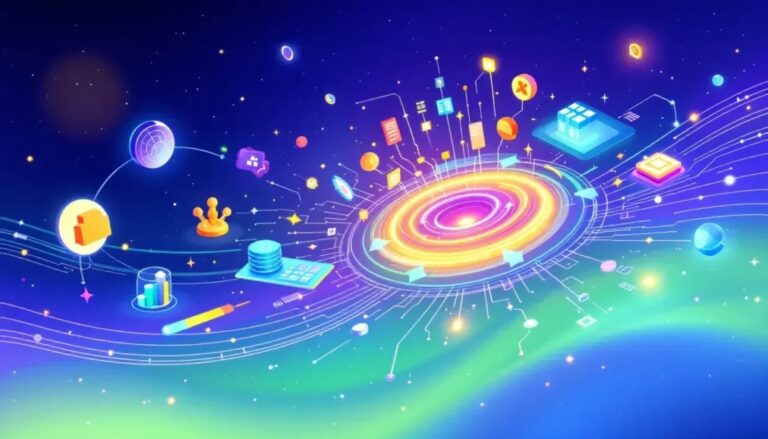
From the first computer-produced images to the elaborate graphics and animations of today. Digital art has always been synonymous with pushing technological boundaries. AI Image to Video technology has recently surfaced as a game changer for digital artists. Enabling them to transform still images into dynamic, animated video content. The progression is both helping to streamline creative workflows. As well as to expand the boundaries of what artists can do, and challenging them to experiment with movement, storytelling and immersive experiences in ways not previously dreamed of.
Expanding Creative Expression
For digital artists, the ability to animate static images opens up entirely new avenues for expression. AI Image to Video allows artists to bring illustrations, concept art, and design sketches to life. Introducing motion, depth, and cinematic effects.
Subtle movement—like hair blowing in the wind or light shifting, or animations in the background—can add realism and emotional impact to a piece of art. With this technology, artists are now able to elevate traditional digital art single-frame artworks into compelling video experiences that engage the audience across multiple sensory channels.
Streamlining the Animation Process
Making animated sequences has historically been a lot of work. Often involving editing frame by frame, motion design know-how, and specialized software. AI Image to Video streamline this by AW converting still images into motion sequences. Digital artists are capable of producing fully animated clips in a small fraction of the time it would take with traditional methods. This efficiency enables artists to spend more time being creative. Telling stories and less time on the technical side of things, speeding up the workflows and allowing more rapid experimentation with visual ideas.
Enhancing Storytelling Capabilities
Storytelling is an essential part in digital arts. AI Image to Video makes it possible for artists to portray stories more effectively. With animation of objects inside the image the artist is able to control the viewer’s attention. Set mood and show time elapse. For example, a digital painting of a city skyline can be modified to include moving clouds. Flashing lights and active streets, bringing a level of story-telling that still images can’t attain. This ability to tell stories in a more immersive fashion improves audience engagement and gives artists the ability to elicit even more powerful emotional reactions.
Encouraging Experimentation and Innovation
Digital art is based on experimentation and AI Image to Video allows artists to experiment with unusual methods and visual styles. Artists can experiment with different animation styles, lighting, and motion dynamics at speed, enabling iterative production and refinement. By removing technical limitations. AI Image to Video makes it possible for artists to dream big and think imaginatively. Having to worry about the limitations brought about by traditional animation. This freedom encourages innovation and challenges creators to take digital expression to new artistic horizons.
Repurposing Existing Artwork
Many digital artists have extensive portfolios of static images, concept art, or illustrations. AI Image to Video allows these existing assets to be repurposed into animated content, adding new value and versatility. A single artwork can become multiple video pieces suitable for social media, online galleries, portfolio presentations, or client pitches. By leveraging AI Image to Video, artists can extend the lifespan of their work and reach new audiences with dynamic, engaging formats.
Expanding Opportunities Across Platforms
With video content dominating social media and digital platforms, animated artwork generated through AI Image to Video can be shared widely. Enhancing visibility and engagement. Artists can adapt their creations for various platforms, from Instagram Reels and TikTok clips to YouTube Shorts and professional portfolios. This multi-platform adaptability ensures that digital art remains relevant and accessible, while also opening opportunities for monetization, collaborations, and audience growth.
Conclusion
AI Image to Video is revolutionizing digital artistry as still images can now be brought to life in dynamic and visually immersive formats. The technology enables artists to go beyond conventional directions of creativity. Providing them with the ability to work more efficiently in workflow processes such as storytelling, animation, and iteration. Furthermore, the potential to reuse existing art work and transpose it onto a variety of different applications also amplifies reach and impact. With further developments expected in the future, AI Image to Video will be an indispensable tool for digital artists to push the boundaries of creativity, captivate the audiences, and carve out new definitions in the art of modern imagination.
Disclaimer
The content of this article is intend for informational and educational purposes only and does not constitute professional, legal, or financial advice. The discussion of AI Image-to-Video technology reflects current trends and applications in digital art. Results and capabilities may vary depending on the software, hardware, and individual artistic skill. Readers are encourage to conduct their own research and exercise discretion when using AI tools for creative work. The author and publisher are not responsible for any outcomes, losses. Damages resulting from the use of AI Image-to-Video technology or any third-party software mentioned.