Mopping Robots and Hardwood Floors: A Beneficial Partnership
Hardwood floors are a popular choice for many homeowners due to their natural beauty and durability. However, keeping them clean can be a demanding task. Mopping robots offer a convenient solution for maintaining hardwood floors with minimal effort. These devices combine vacuuming and mopping functionalities to efficiently clean and protect your floors.
Why Use a Mopping Robot for Hardwood Floors?
Using a mopping robot offers numerous advantages compared to traditional cleaning methods.
Convenience and Time-Saving
One of the primary benefits of using a mopping robot is its convenience. Unlike traditional cleaning methods that require manual effort, a robotic vacuum mop automates the cleaning process. You no longer need to push heavy vacuum cleaners or brooms around the house. These robots are designed to clean floors automatically with minimal human intervention. Once set up, they navigate and begin cleaning immediately, saving you valuable time and energy.
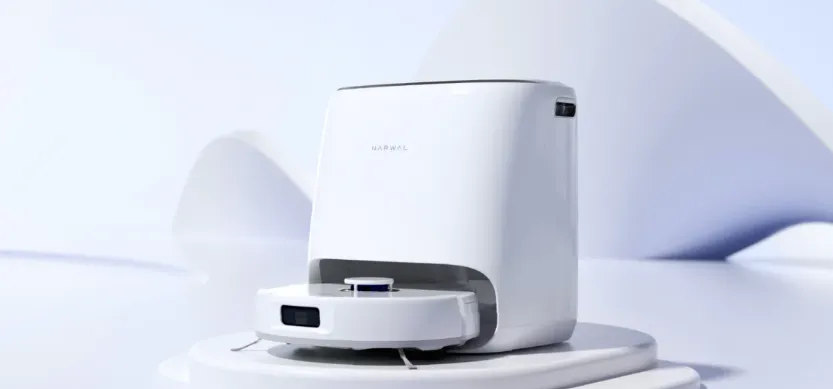
Some advanced models can even empty their dustbins and clean or dry their mop heads, offering a truly hands-free cleaning experience. Additionally, most of these devices will alert you when they need to be emptied, reducing the need for frequent checks.
Advanced Navigation and Obstacle Avoidance
Mopping robots feature remarkable navigation and obstacle avoidance capabilities. Equipped with smart sensors and sometimes camera systems, they can automatically navigate around obstacles and furniture, ensuring that no area is left untouched. These sensors enable them to create a virtual map of your home, which can be accessed and customized through a smartphone application. You can set specific cleaning instructions, create virtual barriers, or designate no-go zones through the app.
Equipped with advanced sensors, these devices can detect and avoid potential hazards. This helps prevent accidents and ensures that your hardwood floors are protected from damage.
Controlled Water Usage
Hardwood floors are susceptible to damage from excessive moisture. Traditional mopping methods can sometimes lead to over-wetting the floor, causing warping or discoloration. Mopping robots are engineered to control the amount of water used during the mopping process, providing an even distribution of moisture.
By precisely controlling the water release, these robots ensure that your hardwood floors are cleaned effectively without the risk of water damage. This feature gives you peace of mind, knowing that your floors are being cleaned safely.
Scheduled Cleaning Sessions
One of the most appealing aspects of mopping robots is the ability to schedule cleaning sessions. Through a dedicated mobile app, you can set cleaning schedules, establish virtual barriers, define no-go zones, and provide specific cleaning instructions.
Some high-end models are compatible with voice assistants, allowing you to initiate cleaning sessions with simple voice commands. The scheduling feature is especially beneficial for busy individuals, the elderly, and people with disabilities, as it automates floor cleaning with minimal effort.
Features to Consider When Buying a Mopping Robot
Choosing the right mopping robot requires careful consideration of several key features.
Navigation System
The navigation system is among the most important features to consider when selecting a mopping robot. Look for a device equipped with advanced sensors that enable it to navigate effortlessly through your home, avoiding obstacles such as furniture, walls, and stairs. The effectiveness of the navigation system depends on the type of sensors used.
Newer models that use laser and infrared sensors can operate effectively even in low-light conditions. Better navigation can plan more efficient cleaning routes and ensure that no areas are missed.
Water Control
Since excessive moisture can harm hardwood floors, opting for a model that offers controlled and adjustable water release is crucial. The water control system ensures that your floors are cleaned gently and effectively without excessive moisture.
Some robotic mops allow users to monitor and adjust water release through the app. These features enable you to tailor the cleaning process to the specific needs of your hardwood floors.
Battery Life
A longer battery life ensures the robot can cover more extensive areas without stopping to recharge. A prolonged battery life ensures thorough cleaning and saves energy.
Filter System
Choosing a mopping robot with an efficient filter system that can effectively trap dust particles and allergens is beneficial. This is particularly important for improving indoor air quality, especially for individuals with allergies or respiratory sensitivities.
Suction Power
Assess the suction power of the mopping robot. Select a model that offers strong suction capabilities to effectively pick up dirt, debris, and pet hair from your hardwood floors, even those stuck in the cracks. Robust suction guarantees thorough and efficient cleaning.
Maintenance Tips for Mopping Robots and Hardwood Floors
To extend the lifespan of your mopping robot and protect your hardwood floors, follow these maintenance tips:
Regular Maintenance
Prioritize regular maintenance for your hardwood floors. Regularly polish the floor and apply a protective coat to help safeguard the surface. For solid hardwood floors, think about waxing them to add more protection. If you’re not sure whether your floor can be waxed, ask the manufacturer for advice.
Performing regular maintenance checks on your mopping robot is also important. This prevents issues like overfilled dustbins and clogged filters, ensuring optimal performance.
Avoiding Harsh Chemicals and Tools
When cleaning hardwood floors, avoid harsh chemicals and tools that can cause damage. Opt for gentle cleaning solutions specifically designed for hardwood floors. Clean up liquid spills as soon as possible to prevent staining the floor. Hardwood floors are susceptible to moisture damage.
To prevent scratches, avoid using abrasive materials like steel wool or stiff brushes on hardwood floors. Instead, use soft microfiber cloths or mop pads.
Avoiding Over-Mopping
Avoid mopping your hardwood floor too frequently. Mopping the floor daily is not necessary for most households, especially with a cleaning robot. Cleaning once or twice a week can usually keep a healthy and appealing living environment.
However, for households with pets or children, vacuuming daily can help maintain a clean living environment due to the increased likelihood of messes.
Ensuring Regular Software Updates for the Robot
Software updates can enhance the robot vacuum’s performance and functionality. Check for updates or enable automatic updates. Regular updates ensure that your robot operates at its optimal level.
Mopping Robots: An Overview
Robot vacuums simplify cleaning with sensors, navigation, and suction. They use cameras or LiDAR to map homes and avoid obstacles, cleaning efficiently. The suction handles light to moderate tasks, picking up dust and pet hair, with some models adjusting suction automatically.
Automating cleaning is a major benefit. You can schedule cleaning remotely, returning to a tidy home. However, performance can vary by floor type and maintenance.
Floor Type
Floor type greatly affects how a robot vacuum performs. They excel on hard floors, collecting dust and dirt easily. On carpets, results vary; they work on low-pile carpets but struggle with thick ones.
Robot vacuums may struggle on high-pile carpets or uneven surfaces. High-pile carpets require deeper cleaning, which the brush may not manage efficiently.
Room Layout
Room layout significantly influences robot vacuum performance. Open spaces allow free movement, while smaller rooms with tight corners reduce efficiency.
These vacuums may miss spots in confined spaces. Large obstacles are avoided, but smaller items can disrupt cleaning. Clearing cables and toys ensures better cleaning.
Maintaining your robot vacuum is essential for optimal cleaning. Brushes, filters, and wheels can get clogged with hair and dirt. Clean these parts regularly to maintain suction and navigation. Ensuring the vacuum is charged, the dustbin is empty, and the sensors are clean optimizes function. A well-maintained robotic vacuum will keep your floors cleaner over time.
Setting realistic expectations is crucial. Effective cleaning may mean spotless floors or just light upkeep. Robot vacuums excel at daily maintenance, between thorough cleanings, addressing dust and dirt rather than heavy-duty jobs.
User experiences provide insights into real-world performance.
Feedback
Many hard floor users report excellent results collecting dust, pet hair, and crumbs, saving time. Pet owners value the regular pet hair pickup.
Carpet users, especially with thick carpets, find robot vacuums less effective. They often miss dirt in carpets and struggle with pet hair in dense fibers. Cluttered or small spaces also cause robots to get stuck or miss areas.
Improving Mopping Robot Efficiency
Optimize cleaning with these steps:
- Maintain the mopping robot regularly.
- Schedule cleaning when the area is least likely to be interrupted.
- Utilize accessories to help improve cleaning.
- Adjust cleaning frequency to ensure more effective cleaning.
Future Developments
Mopping robot technology is evolving rapidly, with improvements in navigation accuracy and carpet-cleaning efficiency. Upcoming models may even connect with other smart home systems, such as air purifiers, to enhance overall cleanliness. If you’re weighing steam mop vs vacuum mop, these advancements show how robotic vacuums can deliver a more convenient and effective cleaning experience.
Conclusion
Mopping robots offer a valuable and convenient solution for maintaining the cleanliness and appearance of hardwood floors. Their automated operation, advanced navigation, and controlled water usage provide efficient and safe cleaning. By considering key features, following maintenance tips, and setting realistic expectations, you can enjoy the benefits of a mopping robot while preserving the beauty of your hardwood floors.