Pappedeckel: The Complete Guide
In today’s eco-conscious world, businesses and consumers alike are increasingly seeking packaging solutions that are both functional and environmentally friendly. One of the key components in sustainable packaging is the Pappedeckel — a German term for cardboard or paperboard lids. These lids are widely used in food packaging, beverage containers, storage boxes, and other everyday applications.
This article provides a comprehensive guide to Pappedeckel, including types, materials, benefits, design considerations, environmental impact, and practical applications. By the end of this guide, readers will understand why Pappedeckel is becoming a preferred choice for businesses and individuals who value sustainability, practicality, and cost-effectiveness.
What is Pappedeckel ?
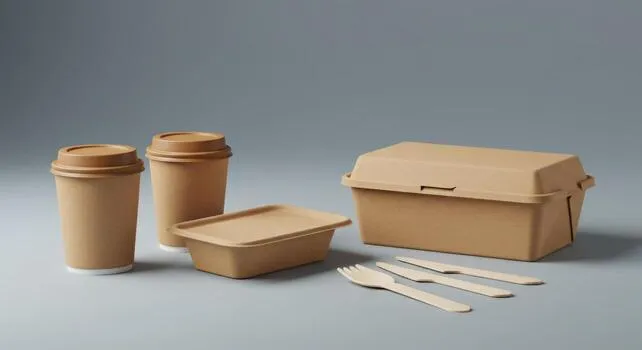
A Pappedeckel is essentially a lid made from cardboard, paperboard, or similar biodegradable materials. Unlike plastic or metal alternatives, Pappedeckel offers an eco-friendly solution without compromising functionality or aesthetics. These lids are designed to fit various container types and sizes, ensuring that food, beverages, or other products remain secure during storage and transport.
From coffee cups to takeaway food containers, the use of Pappedeckel has expanded across industries. The growing trend of sustainability, coupled with regulations against single-use plastics, has further accelerated the adoption of cardboard lids.
Types of Pappedeckel
Understanding the different types of Pappedeckel is essential for selecting the right solution for specific applications. Here are the most common types:
Standard Cardboard Lids
These are the most widely used Pappedeckel. They are lightweight, cost-effective, and suitable for everyday applications such as food containers and cups. Standard lids can be plain or printed with branding elements.
Grease-Resistant Pappedeckel
For applications involving oily or greasy foods, grease-resistant cardboard lids are essential. These Pappedeckel are coated with a thin layer that prevents oil from seeping through, keeping containers clean and safe.
Insulated Pappedeckel
Insulated cardboard lids provide extra protection against heat or cold. Commonly used in coffee cups, soup containers, and frozen foods, these Pappedeckel help maintain temperature while remaining eco-friendly.
Printed and Customized Lids
Many businesses opt for printed or customized Pappedeckel to enhance branding. These lids can feature logos, promotional messages, or colorful designs, making packaging more attractive to consumers.
Foldable and Interlocking Lids
Some Pappedeckel are designed to fold or interlock with the container. This ensures a secure closure without the need for adhesives or additional materials, making them ideal for takeaway food containers.
Materials Used in Pappedeckel
The choice of material significantly impacts the durability, usability, and sustainability of Pappedeckel. Common materials include:
Paperboard
Paperboard is a lightweight, stiff, and biodegradable material. It is widely used for coffee cup lids, bakery packaging, and takeaway containers. Its versatility allows for easy printing and coating for additional protection.
Recycled Cardboard
Using recycled cardboard not only reduces environmental impact but also decreases production costs. Many manufacturers now use post-consumer recycled fibers to create high-quality Pappedeckel.
Coated Cardboard
Coatings, such as polyethylene or PLA (polylactic acid), can make Pappedeckel water-resistant or heat-resistant. PLA coatings are compostable, making them an ideal choice for businesses that prioritize sustainability.
Molded Fiber
Molded fiber Pappedeckel is made from recycled paper pulp and shaped to fit containers precisely. These lids are strong, biodegradable, and often used for premium food packaging.
Advantages of Using Pappedeckel
The benefits of Pappedeckel go beyond basic functionality. Here are some key advantages:
Eco-Friendly Solution
Unlike plastic lids, Pappedeckel are biodegradable and recyclable. Using cardboard reduces reliance on single-use plastics and contributes to a circular economy.
Cost-Effective
Cardboard is generally cheaper than plastic or metal, making Pappedeckel a cost-effective solution for businesses, especially when ordering in bulk.
Customizable
Pappedeckel can be easily printed or embossed with branding, promotional messages, or aesthetic designs. This enhances marketing potential while providing a functional lid.
Safe and Non-Toxic
High-quality cardboard lids are free from harmful chemicals, making them safe for direct contact with food and beverages.
Lightweight and Convenient
The lightweight nature of Pappedeckel makes them easy to transport and handle. They are especially convenient for takeaway food, coffee shops, and catering services.
Applications of Pappedeckel
Pappedeckel are versatile and can be used in a variety of settings:
Food and Beverage Industry
Coffee shops, restaurants, and catering services frequently use Pappedeckel for cups, containers, and takeaway boxes. These lids prevent spills, maintain temperature, and offer an eco-friendly alternative to plastic.
Bakery and Dessert Packaging
Cupcake boxes, pastry trays, and dessert containers often use cardboard lids to protect delicate items during transport while keeping them visually appealing.
Industrial and Storage Use
Small parts, craft supplies, and specialty products can be stored in containers with Pappedeckel, providing dust protection and easy access.
Retail and Promotional Products
Many businesses use Pappedeckel for packaging promotional items, gift sets, and subscription boxes. The ability to customize these lids makes them ideal for branding purposes.
Design Considerations for Pappedeckel
To maximize functionality and aesthetics, careful attention should be given to design:
Fit and Compatibility
The Pappedeckel should fit the container securely to prevent leaks or spills. Precision measurements and interlocking designs enhance usability.
Strength and Durability
Depending on the application, cardboard lids may need to support weight, resist moisture, or maintain structural integrity during transport. Choosing the right material and thickness is essential.
Branding Opportunities
Custom printing, embossing, or using colored cardboard can make Pappedeckel an integral part of a product’s visual identity.
Environmental Considerations
Sustainability is a growing factor in packaging decisions. Selecting recyclable or compostable materials and eco-friendly coatings can improve a business’s environmental impact.
Environmental Impact of Pappedeckel
Compared to plastic or aluminum lids, Pappedeckel offer substantial environmental advantages:
- Biodegradability: Cardboard decomposes naturally, reducing landfill accumulation.
- Recyclability: Most Pappedeckel can be recycled with paper waste.
- Reduced Carbon Footprint: Using recycled fibers reduces energy consumption and greenhouse gas emissions during production.
By choosing Pappedeckel, businesses contribute to a more sustainable packaging ecosystem while meeting consumer demand for eco-conscious products.
Tips for Choosing the Right Pappedeckel
Selecting the appropriate Pappedeckel involves considering material, functionality, and intended use:
- Determine the Application: Identify whether the lid is for hot beverages, cold drinks, food containers, or storage purposes.
- Choose the Right Material: Consider cardboard, recycled fibers, or coated options based on durability and environmental goals.
- Check Dimensions: Ensure a snug fit with the container to prevent spills and maintain integrity.
- Customization Needs: Decide whether branding or promotional printing is necessary.
- Supplier Reliability: Choose reputable suppliers to ensure quality, consistency, and adherence to safety standards.
Future Trends in Pappedeckel
The demand for sustainable and functional packaging solutions is expected to grow. Emerging trends in Pappedeckel include:
- Smart Packaging: Integration of QR codes or NFC chips on lids for marketing or tracking purposes.
- Compostable Coatings: Increased use of PLA or other compostable coatings to replace plastic linings.
- Innovative Shapes: Unique designs for improved stacking, storage, or aesthetic appeal.
- Eco-Certifications: Labels such as FSC (Forest Stewardship Council) to verify sustainability credentials.
Conclusion
Pappedeckel represent an effective, sustainable, and versatile solution for modern packaging needs. From coffee cups to takeaway containers, bakery boxes, and industrial storage, these cardboard lids provide functionality, durability, and branding opportunities while reducing environmental impact.
Businesses that adopt Pappedeckel benefit from cost savings, customer satisfaction, and alignment with eco-friendly practices. As the global emphasis on sustainability increases, the role of Pappedeckel in packaging solutions will continue to expand, making them a crucial component in both everyday and commercial applications.
For anyone seeking a practical, environmentally responsible, and visually appealing lid solution, Pappedeckel offers the perfect balance of functionality, sustainability, and design flexibility.