How Surgeons Personalise Hair Transplants for Transgender Patients
Understanding Hair Transplants for Men and Transgender Patients
Why Personalised Approaches Matter
Hair transplants are widely used to address hair thinning and baldness, particularly among men. However, when it comes to transgender patients, the goals, patterns of hair growth, and aesthetic expectations can differ from traditional male or female procedures. Personalised planning is essential to create results that align with each patient’s gender identity, facial structure, and long-term goals.
Surgeons must consider more than simply filling areas of hair loss. They tailor the entire process, from surgical design and graft selection to density planning and postoperative care. This ensures the final outcome looks natural and enhances the patient’s sense of self.
Differences in Hair Growth Patterns
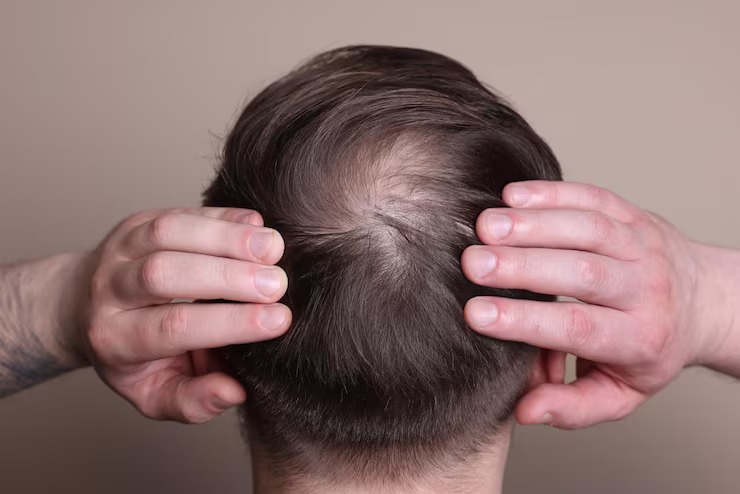
Before surgeons begin planning, they assess the patient’s natural hair growth patterns. For most men, hair loss follows predictable patterns, such as recession at the temples and thinning at the crown. These characteristics guide typical male hair transplants.
Transgender patients, however, may seek to modify their hairline to match their affirmed gender rather than their biological pattern. For example, transgender women often aim for a lower, rounded hairline, while transgender men may want a hairline that appears stronger and more angular. Understanding these goals helps surgeons personalise the approach from the beginning.
Personalised Hairline Design

Creating Feminine Hairlines for Transgender Women
One of the most significant aspects of hair restoration for transgender women is designing a feminine hairline. A masculine hairline is usually higher with an “M-shaped” recession, especially at the temples. In contrast, a feminine hairline is lower, softer, and more rounded.
Surgeons carefully reframe the forehead by lowering the hairline and adjusting the angles of the grafts. The design must complement the patient’s facial features while providing a natural transition into existing hair. The goal is a smooth, delicate frame that enhances feminine characteristics without appearing artificial.
This process often includes graft placement at smaller angles and the use of finer grafts at the hairline. These techniques help produce a soft, feathered look that closely resembles natural female hair growth.
Designing Masculine Hairlines for Transgender Men
For transgender men, the goal may be the opposite. Testosterone therapy can stimulate new facial and body hair growth, but scalp hair loss can also occur. Some transgender men want a hairline that reflects masculine traits, such as stronger corners, a slightly higher position, and a more structured shape.
Surgeons may reinforce receding areas, recreate the sharp angles typical in male hairlines, or increase density in the frontal region. Careful planning ensures the final result aligns with the masculine appearance the patient aims for, with grafts placed to mimic natural male growth direction.
Technique Selection and Customisation
Choosing Between FUT and FUE
Two primary techniques are used in hair transplantation: follicular unit transplantation (FUT) and follicular unit extraction (FUE). Both can be personalised depending on the patient’s needs.
FUT, also known as a strip method, is well suited for patients needing a high number of grafts, such as those with significant recession or those seeking a dramatic hairline change.
FUE is ideal for patients who prefer shorter hairstyles or who want to avoid a linear scar. It allows individual follicular units to be removed and transplanted.
Surgeons select the best method based on the patient’s goals, the required number of grafts, donor availability, and long-term hair stability.
Density Planning and Direction
Another important aspect of personalisation is planning the density and direction of hair growth. For a feminine outcome, surgeons often use higher density in the front with softer angles. For a masculine look, grafts may be placed more tightly in specific regions, and the direction follows typical male growth patterns.
Each follicle must be placed carefully to avoid creating an unnatural appearance. Designers and surgeons work closely together to replicate the subtle variations found in natural hair growth for the gender the patient identifies with.
Considerations for Transgender Patients
Hormonal Influences
Hormones can influence the success and behaviour of transplanted hair. Transgender women often take oestrogen, which can slow male pattern hair loss, while transgender men take testosterone, which may increase the risk of thinning at the top of the scalp.
Surgeons take hormone therapy into account when planning transplants. Understanding how hormones affect the scalp helps them predict long-term outcomes and create sustainable treatment plans.
Individual Goals and Expectations
Transgender patients may have different priorities when undergoing a hair transplant for men. Some may want a subtle enhancement that supports their overall transition, while others may need a complete redesign of the hairline.
Surgeons spend time discussing the patient’s vision, reviewing photographs, and outlining realistic expectations. Open communication ensures the treatment aligns with the patient’s affirmed gender and personal expression.
Postoperative Care and Long-Term Maintenance
Supporting Transplanted Hair Growth
After the procedure, surgeons provide detailed instructions to support healing and improve graft survival. This includes gentle washing, avoiding strenuous activities, and taking steps to reduce swelling.
Transgender patients may already be on hormone therapy, and surgeons ensure postoperative care aligns with these medications. They also recommend long-term strategies to maintain transplanted hair and protect natural hair from further thinning.
Additional Treatments
Some patients may benefit from supplementary treatments that enhance the outcome of their transplant. These may include therapies that strengthen existing hair or improve scalp condition. The goal is to support long-term hair health and improve density across the treated areas.
Surgeons personalise these recommendations based on the patient’s unique pattern of hair loss and overall restoration goals.
The Importance of Expertise and Sensitivity
Working with Experienced Surgeons
Hair transplants for transgender patients require both surgical expertise and an understanding of gender-affirming care. Surgeons must be skilled in creating gender-appropriate hairlines, handling grafts with precision, and integrating treatments with hormone therapy.
Experience allows them to anticipate challenges, tailor the design, and achieve results that appear natural and aligned with the patient’s identity.
Creating a Supportive Environment
The consultation and procedure should take place in a supportive and respectful environment. Gender-affirming care involves clear communication, sensitivity, and a personalised approach that prioritises the patient’s comfort and goals.
Surgeons and staff play an important role in ensuring patients feel understood and confident throughout the process.
Conclusion
Personalising hair transplants for transgender patients involves much more than restoring hair. It requires careful design, an understanding of gender-specific aesthetics, and a tailored approach to technique and density. Whether supporting hair transplants for men or enhancing hair transplants for transgender individuals, surgeons must consider hormones, facial structure, and long-term goals to produce meaningful results.
Through thoughtful planning and skilled execution, personalised hair restoration can help transgender patients feel more aligned with their affirmed gender, enhancing both appearance and confidence.