
What to Expect From Sydney Hair Loss Treatment for Men
Understanding Hair Loss in Men
Common Causes of Male Hair Loss
Hair loss is a common concern for men of all ages, and understanding its causes is the first step in seeking effective treatment. The most prevalent cause is androgenetic alopecia, often referred to as male pattern baldness. This condition is linked to genetic factors and the hormone dihydrotestosterone (DHT), which can shrink hair follicles and reduce hair growth over time.
Other factors that contribute to hair loss include stress, poor nutrition, certain medical conditions, and lifestyle habits. In some cases, hair loss may be temporary, such as when caused by illness or medication, while in others, it may be progressive and permanent. Understanding the root cause is crucial in determining the most suitable treatment options.
How Hair Loss Impacts Men
Beyond the physical changes, hair loss can affect a man’s confidence and self-esteem. Many men report feeling anxious or self-conscious as their hair thins, which can influence social interactions and personal image. Seeking professional treatment not only addresses the physical aspect but also helps restore confidence and improve overall well-being.
Sydney Hair Loss Treatment Options for Men

Non-Surgical Treatments
Non-surgical Sydney hair loss treatment for men are often the first step in addressing hair loss. These options aim to slow down hair thinning, strengthen existing hair, and stimulate new growth. Common non-surgical treatments available in Sydney include:
- Topical Solutions: Products containing minoxidil can be applied directly to the scalp to encourage hair growth and prevent further thinning. Regular use is important to maintain results.
- Oral Medications: Certain medications can reduce the effects of DHT on hair follicles, slowing down hair loss and promoting regrowth. These require prescription and monitoring by a specialist.
- Low-Level Laser Therapy (LLLT): This non-invasive treatment uses specific wavelengths of light to stimulate hair follicles and improve circulation, which can support hair growth.
Surgical Treatments
For men experiencing more advanced hair loss, surgical options like hair transplantation may be considered. Two common methods are:
- FUT (Follicular Unit Transplantation): This method involves removing a strip of scalp from the donor area, usually at the back of the head, and transplanting follicular units to thinning areas.
- FUE (Follicular Unit Extraction): Individual follicles are harvested from the donor area and implanted into the balding regions. This method leaves minimal scarring and offers a natural-looking result.
Both techniques aim to restore hair density in affected areas, and the choice between them depends on factors such as the extent of hair loss, donor hair availability, and patient preference.
Combined Approaches
Many clinics in Sydney, including Crown Clinic, adopt a combined approach, integrating non-surgical and surgical treatments to achieve the best outcomes. For example, patients may use topical or oral treatments alongside hair transplantation to strengthen existing hair and enhance the survival of transplanted follicles.
Hair Loss Treatment for Women in Sydney
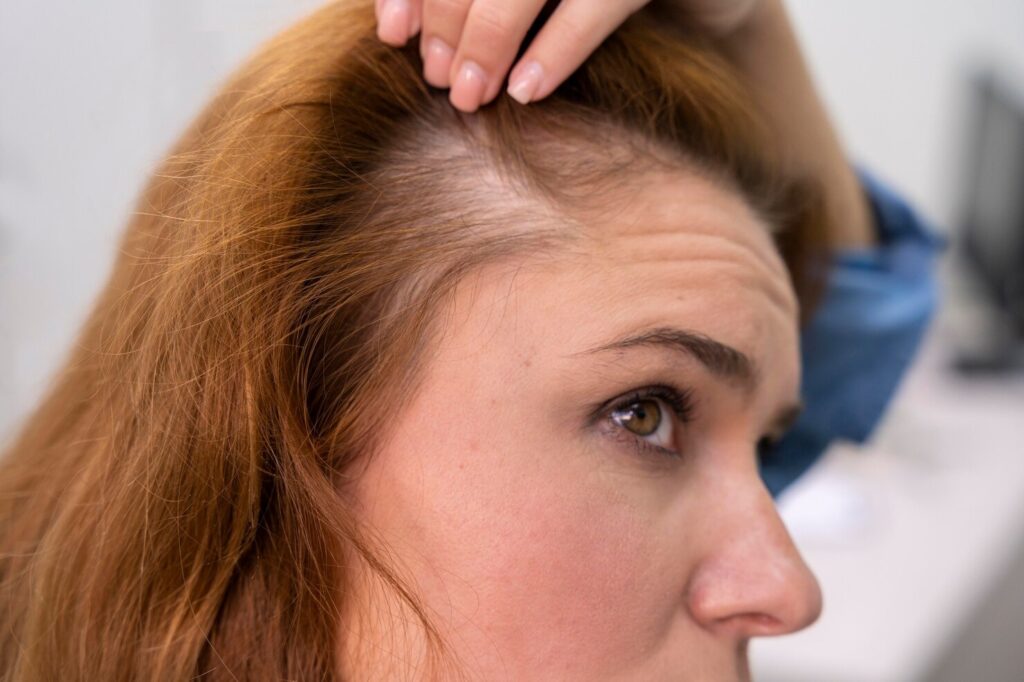
Differences in Female Hair Loss
While male pattern baldness is the most common form of hair loss in men, women also experience hair thinning and shedding. Female hair loss often manifests as diffuse thinning across the scalp rather than distinct bald patches. Causes may include hormonal changes, pregnancy, menopause, stress, or underlying medical conditions.
Treatment Options for Women
Hair loss treatment for women in Sydney at Crown Clinic focuses on identifying the underlying cause and providing targeted solutions. Options may include:
- Topical and Oral Medications: These aim to slow thinning and stimulate growth, with formulations specifically designed for women.
- Platelet-Rich Plasma (PRP) Therapy: This treatment uses the patient’s own blood plasma, rich in growth factors, to stimulate hair follicles and improve scalp health.
- Hair Transplantation: In cases of significant thinning, hair transplantation may be considered, using techniques that suit female hair density and growth patterns.
Treatment plans for women are highly individualised, considering factors such as hormonal balance, lifestyle, and overall health.
What to Expect During Treatment
Initial Consultation
The first step in any hair loss treatment journey is a detailed consultation with a specialist. During this session, the clinician will assess hair loss patterns, review medical history, and discuss lifestyle factors. A scalp examination and diagnostic tests may be conducted to determine the underlying cause of hair thinning.
Developing a Treatment Plan
Based on the assessment, a personalised treatment plan is created. This plan outlines recommended therapies, expected outcomes, and the timeline for seeing results. For men, this may include a combination of medications, non-surgical therapies, or surgical intervention. For women, the plan may focus more on hormonal or medical treatments alongside topical therapies.
Follow-Up and Monitoring
Successful hair loss treatment requires ongoing monitoring. Patients are typically scheduled for follow-up appointments to track progress, adjust treatment if necessary, and address any concerns. This ensures the treatment is effective and that hair growth is progressing as expected.
Recovery and Results
Recovery times vary depending on the type of treatment. Non-surgical therapies generally have minimal downtime, while surgical options like hair transplantation may require a few days to weeks for the scalp to heal fully. Hair growth results typically begin to appear several months after treatment, with full results visible after 9 to 12 months.
Lifestyle Considerations
Supporting Hair Health
In addition to professional treatment, maintaining a healthy lifestyle can support hair growth. Eating a balanced diet rich in vitamins and minerals, reducing stress, avoiding harsh hair products, and practising gentle hair care can improve overall hair health and complement clinical treatments.
Realistic Expectations
It is important for patients to maintain realistic expectations. Hair loss treatment can significantly improve density and quality, but outcomes vary based on individual factors such as age, genetics, and the extent of hair loss. Consistent follow-up and adherence to the treatment plan are essential for achieving the best results.
Conclusion
Hair loss is a common issue affecting both men and women, but effective treatments are available in Sydney. Men can benefit from a range of options, from non-surgical therapies to surgical hair transplants, with personalised plans developed at clinics like Crown Clinic. Women also have tailored solutions to address thinning and hair shedding, ensuring comprehensive care.
By understanding the causes of hair loss, exploring available treatments, and maintaining a healthy lifestyle, patients can improve hair density, strengthen existing hair, and restore confidence. Regular consultation with specialists ensures that the chosen approach is suitable and effective, providing long-term benefits for hair health and appearance.